Hitting The Mark
Conversations with founders about the intersection of brand clarity and startup success.






EP132 – Le Prunier: Allison Taylor, Co-Founder
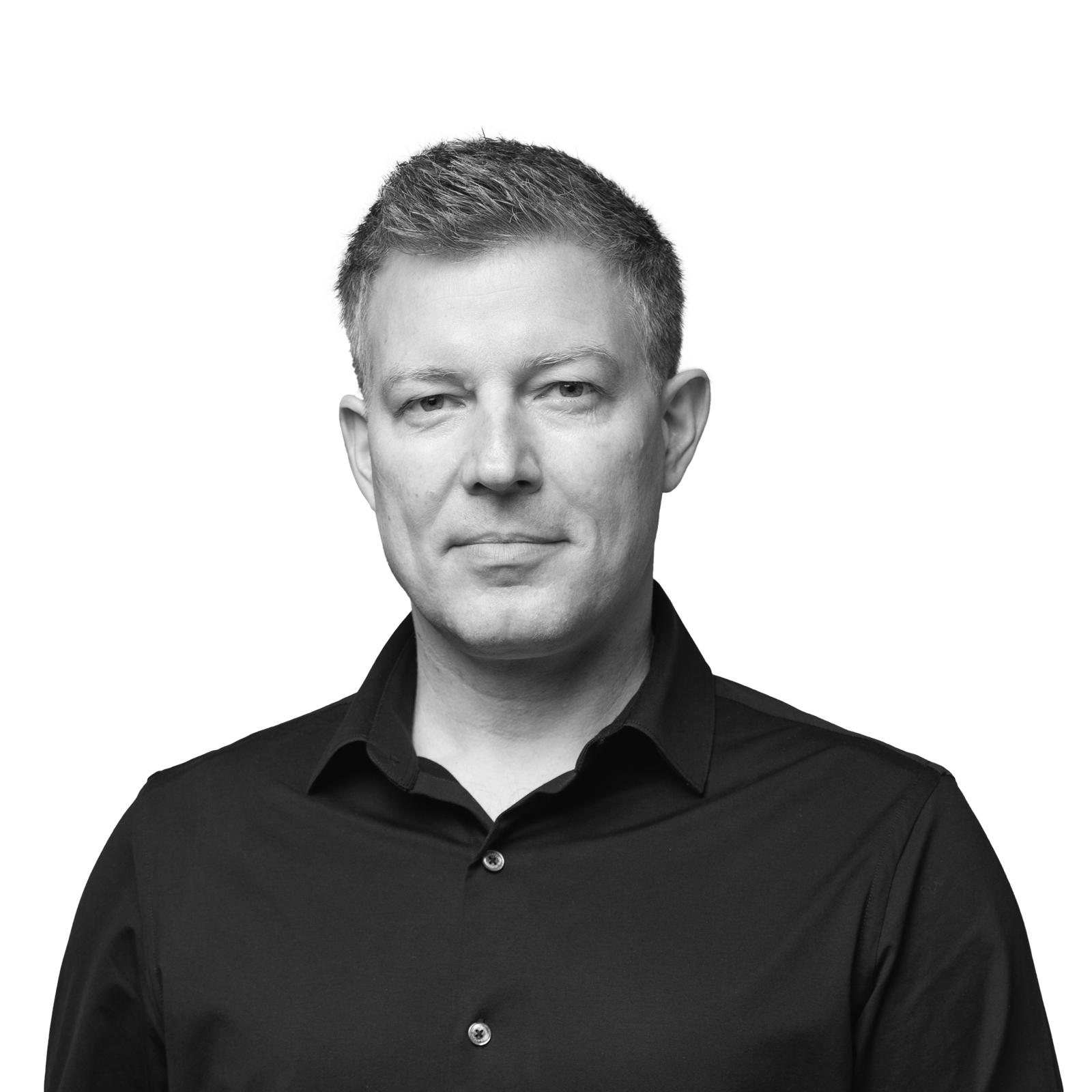
Allison Taylor grew up on her family’s plum farm in Northern California, which has been around since 1916 and is one of the world’s largest producers of dried plums. In 2018, Allison and her sisters launched Le Prunier, a plum-based skincare brand that reunited them with the farm and created a new family business that is rooted in authenticity and sustainability.
The story of the brand is amazing, filled with ups and downs, both of which happened when Chrissy Teigen created a viral moment for Le Prunier at a moment when they were low on stock and in midst of a re-brand. And that, my friends is entrepreneurship, and this is an episode not to miss!
Fabian Geyrhalter:
Welcome to the show, Allison.
Allison Taylor:
Thank you so much. I’m excited to be here.
Fabian Geyrhalter:
Yeah, it’s so good to have you. Your story’s amazing. You grew up on your family’s plum farm up in Northern California, which has been around since 1916. And as far as I know, it’s one of the largest growers of dried plums in the world. Then you got into music, you got into fashion and you kind of got stuck in the world of branding and marketing. You graduated from USC where I also taught for some little time, but it was fun.
Allison Taylor:
That’s awesome.
Fabian Geyrhalter:
And then fast-forward to 2018 and you and your sisters launched Le Prunier, a plum-based skincare brand. Not a typical way to jump back into a family business and one that sounds so intriguing on so many levels that I just had to have you on our show. So I’m so excited. Take us back to the beginning of the idea to actually go back to your family’s farm and rethink the product that is being produced. And it’s amazing that all three of you actually ended up doing this together. How did it all start?
Allison Taylor:
Yeah, we really have to go back to the very beginning, which was when we first started traveling with our father. So 80% of what he grows in the Central Valley is exported overseas. He has a facility or he used to have a facility in Japan, Korea. We still have one in Poland, but so we would export fruit. And when we were children, teenagers probably, I think my first trip was in eighth grade, but I went a few times with him throughout high school. And during those trips, he would let us sit in on meetings and we would meet with his buyers and we really learned. I mean, these were people that they weren’t new people that he was just connecting with. They were longstanding relationships that he had cultivated over 15, 20 years. And these buyers, I think it was really special for them because they were able to see where the next generation of Taylor Farms was going.
And we really sat in and realized how highly regarded the dried plum was as a superfruit. So Asian cultures especially, they love the plum. They use it as, of course, the prune juice, that’s something that’s more of a beauty food than a digestive or kind of a laxative is what it’s though of here in the States. But they also used the extracts, you put that on your yogurt, it’s really delicious. So we just had this kind of front row seat to understand how special this commodity that we were growing on our family farm was. And we wondered why no one else was thinking about this in the United States. So we really kind of put our heads together. I like to say the seed was planted a very long time ago, really no pun intended, but we had this great exposure. And then fast-forward, my sisters and I finished high school, went off to college, worked in various different industries.
Jackie, she struggled with her skin. My older sister, Jacqueline, struggled quite a bit when she was a teenager. And so I remember she wrote her entrance exam to UCLA on dermatology. She wanted to become a dermatologist. So she entered as pre-med. She ended up switching. I can’t speak for her. I don’t think she really wanted to pursue it after realizing how intensive it would be, but the passion really remained, especially for skin. So I went off and to your point, I worked in marketing, branding, fashion, entertainment. I had a really, really exciting career prior to Le Prunier and my younger sister as well. She worked in international business. She also worked at the family farm after college. So the three of us just bring a very unique perspective. And when we finally decided to put our heads together, we just knew that there was something so special right underneath our noses.
And I credit Jackie, my older sister, with really coming up with the idea for the oil. So we essentially approached our father after realizing he was throwing away thousands and thousands of seeds of the fruit. So it was being discarded by the truckload and just being thrown away. And we were like, “If this fruit is so antioxidant rich, the seed is absolutely going to be as well.” So Jackie spent two and a half years of paying for testing out of her pocket, just really digging into the science and the research, which is what she loves. And ultimately she approached me in 2014, 2015 with the idea and the research and was like, “What do you think? Maybe we could sell this as an ingredient to L’Oreal or Estee Lauder just introducing plum oil.” And my background is more branding and I remember I had always wanted to have my own line.
I thought maybe it would’ve been a fashion line or something else, but then this happened and I just remember saying, “I will absolutely do this with you. I’ll be all in, but I want us to start a brand.” And that’s kind of how it came together. So I quietly started working on packaging. I built the website. She was busy working on patents and proprietary ingredient information, and we just put our heads together and decided to launch it.
Fabian Geyrhalter:
Just like that.
Allison Taylor:
Honestly, just like that.
Fabian Geyrhalter:
So easy. Well, but I mean, obviously this was a risky move for you and your sisters obviously.But also I would assume for your dad and for his relationships with buyers who I would assume some of them, at least the ones in Asia, were most probably in the skincare business too, right?
Allison Taylor:
Yeah, that’s an interesting question and very true. So the buyers at the time that we had met, they were longstanding just food and fruit-focused companies.
Fabian Geyrhalter:
I see.
Allison Taylor:
Yeah. His Korean company also was kind of acquired by a larger food conglomerate, and they have a little bit more of an interest in skincare as well. But over the years, my sisters and I, we love Japan and Korea so much and we always said, “We want to have an office in Japan.” And the goal was to go and eat sushi and just explore incredible skincare products. And we just think the Japanese do things so well. But we found after several years it was very difficult to… We tried so hard to enter the Japanese market upfront just because we were really excited about it. And the Japanese just take a very long time to complete and bring the business together. So we kind of sidelined that conversation and focused on the US market, which is a much a larger place to tackle. But we always thought it would be fun. Never say never. We’ll go to Japan soon enough.
Fabian Geyrhalter:
It’s a very saturated market, I’m sure. But yeah, I mean my wife is Korean and so skincare for us is a totally different level.
Allison Taylor:
Sure.
Fabian Geyrhalter:
Which is really great. It’s actually so funny because when I first tried your product, it was the plumb beauty oil. It was before bedtime and it was one of those evenings where I was super hungry, but I neglected the urge to have a late night snack. So I put a new oil and I’m going to bed and boom, marcipan. What about marcipan? It smells so much like marcipan, but only for five seconds and then it stops. But how come I had no idea plum and marcipan, how does it all work?
Allison Taylor:
I know. No one is expecting that when they first smell this. When we first actually launched, we were working with a gentleman who was an advisor and he knew we wanted this to be a global business eventually. And his recommendation was to remove the scent from the oil because he thought Asian cultures would not like it. Because I think it’s somewhat true that they just prefer no scent whatsoever. And whether it’s natural or not, just no scent. And ours is there’s nothing added whatsoever, but it’s just cold press from the seed of the fruit. And I think it’s the seed that gives it that kind of almond-esque scent. I mean, there is nothing else added. So anyways, we went through the process of potentially we removed the scent and retested it. And lo and behold, all of the nutritional value, like the antioxidant count, everything plummeted.
And so we were like, “Nope, zero chance we’re touching this. We’re leaving it absolutely the way nature intended it to be.
Fabian Geyrhalter:
” How amazing. Actually, it makes you wonder with some other no scent products, if they’re 100% natural, maybe that’s not a good thing then. Interesting. Yeah, I was very taken by surprise and not in a bad way, but I was hungry. So yes, I wanted Marzipan chocolate. I’m from Austria, that’s what you eat. So I’m like, oh no. But it’s such a wonderful product. Thank you. Back to your brand story. So I wrote a book eight years ago called Bigger Than This, and it focused on eight traits or eight commandments that modern companies utilize to become admired brands, especially the startups that came out. And Le Prunier’s key trait for sure in my eyes looking at the brand from the outside, it must be the brand story. I mean, it’s such a strong story. And of course the sisters, the whole thing since 1916, and it’s a wonderful deep, deep story and I know you celebrate it on your website.
So I have to wonder, how did you decide on a French brand name? It’s such a great name for the market. It has so much meaning and the relationship to the product. But then I’m thinking, what a bold move for a business that is so much about Northern California roots.
Allison Taylor:
Well, yeah, no, totally. We consulted with, I mean, I remember asking a couple of friends. We had a long list of potential names and ideas and one of our dear friends, Bianca, she just has a way with words and it was one of her suggestions. She though of Le Prunier and it means it’s French for the plum tree. We have a varietal on the farm that is a California Ajen kind of mix. And so there’s an area in the south of France called Ajen and it’s really widely known for prunes. So I didn’t feel like we definitely stopped for a moment and we were like, “Oh, is this going to be misleading? And it’s a French brand.” But I think it’s just a really beautiful, elegant and eloquent way to say the plum tree and enter the market with our best foot forward. We felt like the name captured the elegance of what we were trying to achieve with the skincare.
Fabian Geyrhalter:
Totally. And it 100% does and it perfectly… And I run a startup called Tone Optic and we’re in the product space, furniture for record lovers, vinyl lovers. So it’s in that kind of space. Super innovative and we’re absolutely killing ourselves producing it in Los Angeles right now. But with that name too, Tone Optic, it’s like sound and vision. It sounds like a company that’s been around since the ’80s, Tone Optic. And I did that on purpose and maybe the same purpose that you had where I wanted to very quickly penetrate the market and get into a market where they don’t see us as like, “Oh, here comes the startup.” And Le Prunier You say Le Prunier. It feels like you’ve been around since forever. And then of course you can say established 1916, which is not a lie because that’s when the farm has been established. So it’s like all of these tricks that you’re using in the same way that I used it, it’s great.
Allison Taylor:
Yeah. And then I feel like our brand is this kind of mashup of all these things that we really love because obviously California is so influential and instrumental to the brand’s existence. But then if you look at the packaging, the sides of the box have this beautiful kind of plumb blossom floral pattern. And we were really inspired by Ikabana, which is the Japanese arrangement or floral arrangement. And so we’ve combined different elements of things that we really love and it’s all factual and honest because that’s just the story of the brand. We really, really were inspired by Japan. We obviously love California and I think the name just kind of brought itself. It was just a really, I don’t know, put a bow on it at the end of the day.
Fabian Geyrhalter:
Yeah, no, it’s interesting because it brings in all of these influences when you talked about Asia and it does feel like it’s straight from Korea on one side. It feels like it’s straight from France on the other side. And then it’s like a Northern California product that is deeply rooted in a farm from 1916. But it magically all works together, like you said, because it’s authentic. It’s not like you’re pulling it all somehow together to be this fake brand. It’s real. And most probably that’s also what makes it so interesting. Interesting enough for Chrissy Teagan to say, “Hey, I love this thing.” Tell us about that because I mean this was big. I mean, this was obviously a big viral moment. You had I believe 30,000 orders overnight. You thought that Shopify just broke down, which by the way, that’s what I’m dreaming of. Everyone dreams of it until it happens and then you’re like, “Oh no.”
Allison Taylor:
I could have never anticipated. What’s even weirder about that situation, and sometimes I hesitate to tell the story because I think people use the word manifest a lot these days. And I don’t know, it was very strange and witchy the way it all happened. But the night before, I remember I wrote in my journal, I wrote down five things that I was hoping for, for my family, for myself, for the business, for love, just all core things. I got really clear on them. And there was a number that I said I wanted us to reach by the end of the year. And we were in November, so we had a month and a half to go and we reached, I think it was the number that I wrote was half of what we reached the next day.
Fabian Geyrhalter:
Unbelievable.
Allison Taylor:
It was crazy. So there was that other element to it that was just, I don’t know.
Fabian Geyrhalter:
But I mean, it was heaven and hell at the same moment. I heard on another podcast that I listened to prep for today’s show, I heard that you were in midst of a rebranding, so you were on purpose super low on stock. So what a crazy timing.
Allison Taylor:
I know. We really wanted to, this was three years into the business. And as a startup, we never raised capital. We took a loan out and we were able to pay it back due to the Chrissy Teagan moment, which was amazing. And we finally could reinvest in the team and paying ourselves a salary, all the things. But prior to that, we did everything on such a shoestring budget. And I really encourage other entrepreneurs to just get scrappy and not be afraid of… I came up with a design for the bottles more or less. I did work with a graphic designer to slightly tweak them, but we didn’t go to a big design agency out the gates. And I wouldn’t always recommend that. I hope whomever has a design eye before they go into designing something. But at any rate, it worked for the time being and it saved us money.
And so we were just really excited to rebrand it. And we found this great agency in New York. We were so excited, but we were intentionally low. We wanted to move through the remaining inventory. And then we had a forecast of when we would repurchase in the spring, but we were just not expecting the volume. Yeah, it was really crazy. So we had to –
Fabian Geyrhalter:
You didn’t pay for it. There was no PR play. No. How did Chrissy get your product? Do you know?
Allison Taylor:
Yeah. So there was a makeup artist named Nova who we befriended at a trade show, gosh, very early on. I think it was the first trade show that we did was in 2017, November of 2017. So we met her within the first six months of really launching a business and I gave her samples of the oil. We didn’t know any of her clients. She really didn’t have much of a following at the time, but she was so sweet and we just would always send her product. We really wanted to help her and just stay in touch. So flash forward three, four years later, she lands Chrissy as one of her key clients. And so she gave Chrissy a mini bottle of the oil. And Chrissy, about a month before our viral moment, got on Instagram and was talking about it. And I think she called it Apricot Oil, and I almost cried because I was like, “No, what a missed opportunity.” There was no branding on the mini.
She just didn’t know. She was like, “I don’t know what this is, but I love it so much. I think it’s Apricot Oil.” She didn’t say the brand, anything. And so I was like, “Shoot, that was our opportunity and it just went.” And I didn’t think anything else would happen. We didn’t reach out to her. We just kind of left it. A month later, she jumped on and she talked about it and she had the full-size bottle and it was just so crazy, so exciting, but very, very challenging for a small two, three-person team to scale and manage at the time.
Fabian Geyrhalter:
But you must probably ship everything you had next day and then you just had to build lists and slowly work your way backwards and hope to not lose everyone.
Allison Taylor:
Yeah, we established first in, first out. So we set up wait lists and we went through basically piecing them out like this is our first section that’s going to get an email, this is the second section. And the messaging really explained to them you have, I forget the time period which they had to shop, but they needed to make a purchase. If not, we were going to notify the second wait list. And so this drove urgency. People got super excited in mind too, this was not knowing. I sometimes in retrospect think about what would it have been like if we had brought in some other advisors or growth marketing teams during that period because we just had so many eyes on the brand and so much momentum then. I think I’m very proud of how we handled it. Just intuitively, we wanted to be really transparent and honest with our customers and we worked as hard as we could to set things up from a production standpoint at the farm just to scale.
But yeah, I think we were really honest with the customers and we tried to explain and certainly people were a little POed that they couldn’t get their oil after we were sold out for six months. It was just we were not expecting it, but we tried to be as honest as possible. And I think that, in my opinion, has won us over quite a few customers because they realized these girls, they’re scaling as we go.
Fabian Geyrhalter:
Yeah. And look, I mean if you lose 10,000 customers out of 30,000 customers you wouldn’t even have had in the beginning, you still have 20,000 customers. It’s fine. So I made up this number obviously. But I mean these viral moments did never come at the right time, but it’s amazing that it could have gotten much worse. What happened with my company was that I put out a video prematurely where we weren’t even able to ship the product. It was not manufactured in a way that it was shippable yet. And that video got 1.5 million views.
Allison Taylor:
No way.
Fabian Geyrhalter:
It went Completely viral and I didn’t even have anything to sell yet.
Allison Taylor:
Was this on Instagram Or YouTube?
Fabian Geyrhalter:
This was on Instagram and it was completely… Well, and then it went to Twitter and it went everywhere, but we had nothing. I was just like, “Hey, let’s see if people like this concept.” And the issuer liked it, but I had nothing. And so it’s funny, then a year later I was ready to sell and I’m like, “Okay, how can we replicate this viral moment?” But yeah, it never happens at the right time.
Allison Taylor:
I’d love to se that video you have to send it to me. I’m really curious.
Fabian Geyrhalter:
I will absolutely do that.
Allison Taylor:
Yeah. No, it’s so hard to predict.
Fabian Geyrhalter:
Yeah, but I think you said something really important and I think especially these days where we hear of PE venture capital money going into companies and then they’re losing their soul and then not pointing at you Evelane, but with Evelane selling out. It is so different when you have a loan or you have one single angel investor and you just work hard. And I think people can sense that with a brand. They can sense, is their growth marketing team behind or is it actually a small team working really hard? I mean, me and my wife and my partner who invested into the business plus one helper, all four of us, all Memorial Day yesterday, we were in the factory brushing down aluminum. And I’m like, “If you don’t do that, how can you ever teach someone how to do it? And if you don’t go through it, right?
Allison Taylor:
Yeah. No, it’s something I’ve been thinking about a lot because my sisters and I, we’ve been in the trenches of the past eight years. We have a team of nine people and it’s still lean, but I think we’ve touched every area of the business unwillingly. So I really don’t want to ever be a bottleneck though. So I think that’s kind of the push and pull of being a founder, understanding it well enough, but then also knowing when you need to step back and let someone else come and take over and recognizing your strengths and your weaknesses and allowing for other senior people to step in and drive the business to the next level. And I think that’s where we are at this juncture of the business. So I’m excited.
Fabian Geyrhalter:
It sounds great. And a team of nine is wonderful. I mean that seems like it’s very easy to build the culture without micromanaging. Yeah, that’s great. So we talked about the big win, which was the viral moment. What was the big brand field that you went through? Was there anything happening that in hindsight you think others can learn from or it was just hilarious? Or did anything go down at some point where you felt like, ah, that was absolutely the wrong direction?
Allison Taylor:
Yeah. Oh gosh. There have been a couple moments of things where you’re like, oh gosh, if I only knew then what I know now. But I would say we had an out – of-stock issue with our plumb screen SPF for almost eight months, and that was so painful because it’s our number two SKU. People love it. And we ran into issues with our co-manufacturer at the time. We’ve since switched, but part of something that we really pride ourselves on is creating patented ingredients that are exclusive to Le Prinier made from other plumb byproducts on the farm. And with that comes just some scaling issues. If the co-manufacturer doesn’t handle that ingredient properly, for instance, this specific occasion, the ingredient needed to be frozen and it was left unrefrigerated and it takes months to create. And then you have to get back in the line and just in their production schedule.
And so we were out of product for no fault of our own other than just the co-man accidentally leaving something out. Geez. But we lost out on a lot of sales during that period because it was still coming off the tail end of the Chrissy momentum and people were excited about it. So yeah, I think about that period and I’m like, oh, I can’t believe that’s frustrating. Painful. Painful. Yeah. And another packaging snafu we encountered was during that viral moment we had to obviously find packaging suppliers who could… So we didn’t want to… Gosh, I’m trying to remember the way this all panned out. We ended up having to reprint boxes so quickly. The rebrand wasn’t completely done, so we wanted to just reprint what we had. However, the vendor that we were using couldn’t do it quickly enough, couldn’t get us the boxes in time.
So we used a different vendor and we didn’t see the PPS proofs in person because we were like, we just need the boxes. How poorly can someone mess up on boxes? We’re giving you the artwork.
Fabian Geyrhalter:
And so you learned.
Allison Taylor:
We messed up. Where the flowers are on the side, there was this golden scepter looking thing. And so we still to this day call it the golden scepter. It was just so poorly printed. It looked horrible. I don’t know if anyone else noticed, but I hope not. I was mortified.
Fabian Geyrhalter:
Oh my God. Yeah, that’s how it happens when you have to rush things. Yeah. Because obviously everyone’s in the business of data now. I’m sure you are too with all of your customer emails and understanding who they are. I mean you are still a very young company. I mean 2018, it’s 2026 now. For the space that you’re in, you’re still a very young company. But did you ever do a gutsy move with maybe a new product or maybe with a brand campaign or something where you felt like instinctively the three or the two of you were like, “Yeah, this is right, but it goes against everything our customers say that they want, but we really think this is something that they should see or that they should receive.” Did you ever do Do something just based on the instinct?
Allison Taylor:
Absolutely. I mean, I think going back to Plumscreen, so if you haven’t tried Plumscreen SPF, that was our second launch ever and it’s probably the most award-winning product in our range at the moment, but we launched that knowing… Okay, well actually I’ll backtrack. So Plum Beauty Oil has an SPF of 10. We don’t put that on packaging, but we have the testing to substantiate it and it’s also common knowledge. You can kind of Google that and poke around on the internet and you’ll see there are various oils with SPF factors.That really informed our decision early on to develop… It really informed our decision to first and foremost go into suncare into SPF, but also to dive deeper into this patented ingredient called Plum Superfruit Complex. So on the back end, Jackie really worked on developing this ingredient so we could create this very elegant silky SPF that we felt was missing in the market.
So it’s a mineral-based SPF. And that was, I want to say five years in when we finally launched that. It was our second launch. I don’t think anyone really expected the brand to launch an SPF because they’re just notoriously really difficult to manage. So that was one where I think we took… It was a bold decision and it was a little risky, but I think it’s performed extremely well. People love it and we’re really pleased with it.
Fabian Geyrhalter:
And it’s a difficult product for a lot of reasons because people are so specific about their sunscreen. How does it leave your skin and does it get into your eyes and how long does it last and what does the SPF on this mean versus this? And with you having the already natural protection within it and that story that you have to tell it’s definitely super risky, especially after such a huge hit of a more expectable product of oil. Super interesting. I didn’t know that was your second product. I love it. I think it’s fantastic. I think
Allison Taylor:
It’s really good. Yeah, I think we gained a little bit of industry respect I think from that regard because people were like, oh wow, they were working on an SPF this whole time. And again, hats off to my older sister. She loves the science and that was really her driving it.
Fabian Geyrhalter:
It’s a super bold move too. Yeah, I’m sure the industry is like, okay, they’re serious. I hope so. Yeah. I think it’s so important. The second product is so, so difficult. I remember when we just two months ago started to do a pre-sale for our second product and it was so wonderful when the press picked up and said, “From the makers off.” And I’m like, “Oh my God, you remember our first product?” I’m like, “This is great. We’re a Brand now.”
Allison Taylor:
That’s so cool.
Fabian Geyrhalter:
So that’s always pretty neat. So having worked in marketing, having worked in branding, and now obviously starting a brand from the ground up, even though it’s established 1916, but the Le Prinier brand, having started it from the ground up, looking back, what does this horribly misunderstood word of branding, what does branding mean to you personally now that you’ve gone through all of this?
Allison Taylor:
When I think of branding, I think one of my strengths has always been the storytelling behind Le Prinier. Again, I had never started a brand before, but I had worked for some really amazing founders and witnessed the small little tasks of just putting together PR packages and the details and the handwritten note cards and the design and the care and the thought that just goes into every little element. And I’m so grateful that I had had those experiences prior because when we set out to launch Le Prunier, it was like I was writing all the copy on the website and I was just, when I think of branding, it’s like trying to evoke emotion and really just dive into the story. And I want people to feel the love and the care that we feel towards our land in Northern California and the family farm and the heritage story.
That is so real to me. I wrote my college entrance exam, or excuse me, entrance essay on the farm and the lasting impact my grandfather and my grandparents and this fourth generation family farm had had on me. And it’s so crazy. One day I hope I can find that essay because my computer was stolen in the day. I’ll have to find it. But yeah, I want people to really resonate with that emotion and I think that’s hopefully what we’ve accomplished.
Fabian Geyrhalter:
I think so. Yeah. It’s really hard to manage that talking about product and talking about the benefits of the product and all of that and then weaving in the brand story and the heritage story. I think it would be fantastic if you would find this again and then actually put it on social. This is what I wrote back in the day. I think it’s wonderful. And I also heard that you interviewed your grandmother about – Oh man.
Allison Taylor:
Yes.
Fabian Geyrhalter:
I mean that must have been wonderful because there was a lot of hardship at times with the big drought in California.
Allison Taylor:
No, I get emotional sometimes when I talk to just people about it because I remember I was in, it must have been sixth, seventh or eighth grade. I was somewhere in there. I was pretty young, but I was writing a paper and the assignment was to interview a family member and just ask them about their life. And I’m so grateful for that assignment because we sat at the kitchen table and she just talked to me about her life. And especially it was like, I remember the part about the flood in 1954 that completely… Yeah. So the farm is the base of a river. It’s called Feather River and that was my playground growing up. We just would ride the horses up there and we would fish on the river and we would just run around, but it’s also a flood plain. The Central Valley, much of that area is.
Yeah, their family lost everything in the flood during the ’50s and had to rebuild. And during that, she kind of broke down and was crying and explaining it to me. And I think back to everything that the generations before me have gone through in order for my sisters and I to be where we are today. And there’s so much pride and responsibility that I feel. So yeah, that’s my most prized possession, that tape. I love it so much.
Fabian Geyrhalter:
At least you still have the tape. You don’t have the essay anymore
Allison Taylor:
That
Fabian Geyrhalter:
You’ve got the tape. That’s wonderful, but I think people can feel it. And I remember when I first came across your brand and I looked at the website for 10 seconds and I just put together the idea that you and your sister started a new brand based on your family brand and based on that land. And that to me alone was like, oh my God, is this fascinating? It’s so interesting. And I love how you don’t take it lightly, that it’s not like, “Oh yeah, it’s great. We have this. Let’s use it. ” It’s so much deeper. With that said, now that we’re getting very philosophical on brand and we’re coming slowly to an end here, if you would take your brand, which really includes everything, product and the staff, the nine people, the family, the land, and you would put it through a filter and out comes one word that describes the brand.
So for Coca-Cola, it would be happiness. For Everlane, it used to be radical transparency. Now it’s, I don’t know, sellout. I don’t know. But it’s like what would that one word be that Le Prunier would
Allison Taylor:
Own? Yeah, I think it would probably be something like on authenticity. I like to explain the ingredient that we grow on the family farm, we grow, harvest, press everything in – house. We’re able to oversee the entire lifecycle of that ingredient. And many other brands are sourcing ingredients elsewhere. And this is something that from start to finish, just on the ingredient side, let alone we really oversee the entire lifecycle. So the authenticity of that for us is very important. And then from every angle, I think that’s a lens that my sisters and I use, whether it’s the science, the voice of the brand, the storytelling. We’re trying to be as authentic as possible.
Fabian Geyrhalter:
I love it. I think it’s so important. It’s been such a buzzword in branding for the last 10 years and it has been abused in every single way possible. But with your brand,
Allison Taylor:
The
Fabian Geyrhalter:
Brand is born that way.
Allison Taylor:
Exactly. No, totally. Also, another word that I hear so frequently that just rubs me the wrong way is sustainability because it’s just this trendy buzzword. And I don’t really think people understand what it really means, but we were born into this, and I say this with a great deal of humility and gratitude for what we were born into, but this farm has been farmed organically with eco-friendly and sustainable farming practices for generations, decades. So when my sisters and I were ready to start Le Prunier, we just knew this isn’t our blood, this isn’t our heritage that we will be a sustainable brand. And so when we speak about it, I’m just like, again, from a lens of authenticity, I hear some brands just trying to fabricate sustainability stories and I just am like, okay, we’ve got to do what we’ve all got to do, I guess.
But yeah, it comes across not
Fabian Geyrhalter:
Super. And on top of that, you are talking about sustainability. You utilize something on the farm that otherwise would’ve been discarded. I mean, you even go deeper into that with
Allison Taylor:
Your
Fabian Geyrhalter:
Product.
Allison Taylor:
Yeah. So authenticity, I hope it resonates.
Fabian Geyrhalter:
I like that. I like that. Any piece of brand advice for maybe the founders that are listening to the show as a takeaway? Anything that you learned that you think they might
Allison Taylor:
Benefit
Fabian Geyrhalter:
From?
Allison Taylor:
I mean, something that I think I’ve grown better at as the brand has grown, there’s so many different channels and levers that you have to have your eye on, whether it’s social or email or your marketing materials or the packaging. There’s just so many places to engage with a customer and tell the story. And so I think just really obviously identifying your north star and getting very clear on that and then making sure you’re sharing that across all of those verticals very clearly.That’s something I’ve been focused on and I’m excited to continue. So yeah, just getting clear on your message.
Fabian Geyrhalter:
I love the idea of don’t forget about pushing it everywhere because I think we all forget about it. And there’s some things that we take for granted because we’ve already said it three, four, five times, but people don’t see that all the time. So that reinforcing of the brand’s DNA and of the story, super important. Yes. Hey, what’s next for your brand? What are you excited about in the next six months that you can potentially give us a little preview of?
Allison Taylor:
Well, I’m not really supposed to talk about it. I can’t say the name of the award.
Fabian Geyrhalter:
Let’s do it. Do It. Do it.
Allison Taylor:
One huge award that I’m so excited about. We’ll talk about it later, but that’s amazing. And then we’ll share later this year. And then we just launched a mist in May, so earlier this month, which was amazing. It’s a bi-phase barrier boost kind of mist. I love it. And we have another product launched later this year in September. So the fall will be a very busy period for us. We’re really looking forward to that.
Fabian Geyrhalter:
Amazing. So obviously since you’re teasing us, people have to start following your brand to see what’s really coming. So where can they do that? Where do you want people to follow?
Allison Taylor:
Sure. Yeah, you can find the brand on Instagram at Le Prunier. My handle’s @allisontay, and then the website is LePrunier.com.
Fabian Geyrhalter:
Perfect. Well, listen, I was so much looking forward to this conversation. I knew it would be great and it really was. I love what you all are doing and how you’re doing it and most Importantly, why you’re doing it. So thank you for your time. We’re recording this the morning after Memorial Day, so double thank you for hopping on because I know it’s going to be a busy week of catch-up for everyone. So yeah, really appreciate your time.
Allison Taylor:
Thank you so much for having me on, Fabian.
Fabian Geyrhalter:
Alison Taylor of Le Prunier, what an amazing brand story and I can’t wait to follow along and see where they’re heading. I hope you enjoyed this episode as much as I have the conversation. If so, please subscribe to the show, rate the show and share the show with those you think would enjoy it. Hitting the mark is produced by my consultancy, FINIEN, where we create clarity for brand transformations and integrations. You can learn more at FINIEN.com. This episode was edited by Everett Barton and the Hitting the Mark theme music was written and produced by the one and only Happiness Won. I’ll see you next time when we once again will be Hitting the Mark.
0 COMMENTS