Hitting The Mark
Conversations with founders about the intersection of brand clarity and startup success.






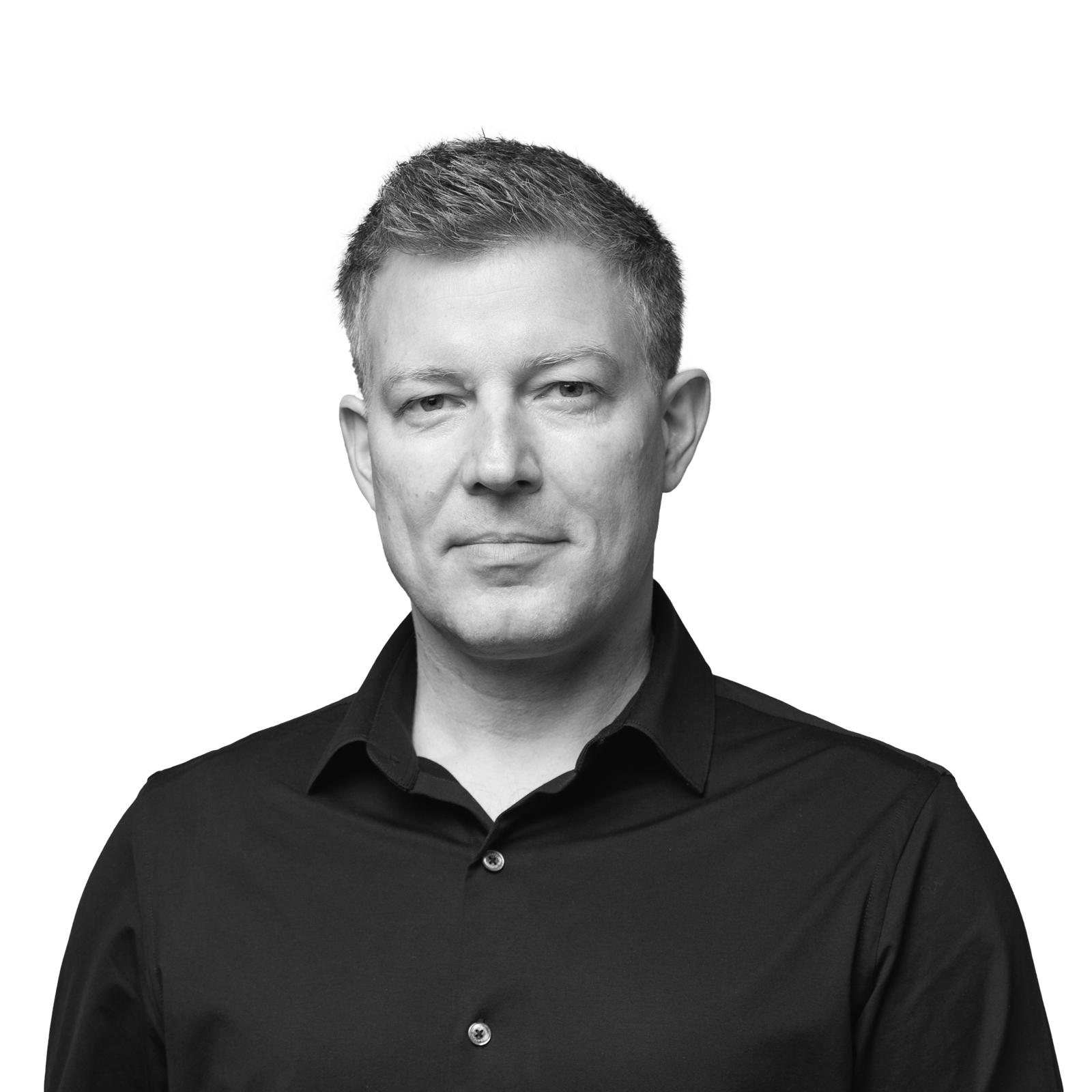
EP127 – Archer: Eugene Kang, CEO & Founder

Eugene Kang grew up stocking shelves in his parents’ gas station convenience stores, then one day took a mesmerizing bite of beef jerky at a small roadside stand, tracked down the maker, and eventually bought the business with his aunt.
Fast forward to today, he grew Archer into America’s No. 1 premium jerky brand with 30 SKUs in 30,000 locations nationwide, and on this episode he shares all the lessons learned during the company’s recent re-brand.
[Fabian Geyrhalter]
Welcome to the show, Eugene.
[Eugene Kang]
Thanks for having me, Fabian.
[Fabian Geyrhalter]
It is such a huge pleasure to have you. You grew up stocking shelves at your parents’ gas station convenience stores. Then you took… A mesmerizing bite of beef jerky, or so they say, at a small roadside stand.
[Fabian Geyrhalter]
You went and hunted down the manufacturer of such jerky and, subsequently, together with your aunt, you both purchased their business. Fast forward to today, you must be exhausted as can be, not because you grew Archer into American. Number one premium jerky brand you’ve got over 30 SKUs you’re in 30,000 locations nationwide, but you’re actually exhausted today because Archer is the official of the LA Dodgers. And today is October 29th, and the Dodgers just lost last night’s World Series game. But how are you feeling? Are you feeling hopeful they can recover?
[Fabian Geyrhalter]
What is your state of mind today on October 29th, 2025?
[Eugene Kang]
Yeah, I know for sure. I mean, uh, you know, it should be exhausted by the business, but definitely exhausted by the, uh, the fact that our, our official, uh, baseball team is, uh, uh, lost last night. We actually went to the game on a Tuesday night or Monday night. I mean, my wife, that was the one to be how great three-year-old son who, who, uh, Did not make it all the way to the 18th inning. We stayed, but he slept on my shoulder starting from the 13th inning.
[Eugene Kang]
Yeah, I know it’s it’s definitely been fun to watch, you know, it’s a surreal moment for us on the Dodgers Partnership because you know, they are, you know, as perennial as they are in LA, I think they are one of the the most sort of kind of highly visible global baseball team now, largely due to, like, the exposure of, like, Shohei Ohtani and stuff. So, you know, when we did… the Dodgers Partnership, we thought, you know, it not only made sense for us but it made sense for the brand, just being a SoCal native brand, it just it made so much sense. So uh, But yeah, it’s definitely exhausting cheering for them on the World Series stage because you have even a bigger vested interest outside of them being your favorite team. There’s a corporate partnership now, for sure.
[Fabian Geyrhalter]
And you, being in a LA-born and raised business, right? It’s like really exciting for all of that to come together. And it’s such an amazing moment. And, like you said, I mean, the Dodgers are talking about branding already, right? I mean, the Dodgers are… such an amazing brand in itself, right? And the partnership alone is like, it must be an amazing feeling. I remember two years ago, I went on a business trip to China. And I asked them, like, hey, what can I bring for you? And literally, they’re all like, ‘oh, you know, original LA Dodgers baseball caps, please.’ All of them. That is really funny. All right. Well, take us back 14 years ago or so to that pivotal moment when… you decided to purchase the manufacturer of the jerky you fell in love with. This is not a very typical founding story. So this is interesting. Take us back to the moment. How did this all come about?
[Eugene Kang]
Yeah, yeah. So um, as you noted, um, my family, you know, my parents are immigrants from South Korea, and you know, they when they immigrated here in the 80s, um, They actually started by, you know, they opened up their first gas. My father opened up his first gas when he was 18 years old. So he’s been in the retail business, you know, since the day I was born.
[Eugene Kang]
and kind of grew up in a retail environment for my whole like sort of youth and you know, adult like early adult life. Um, you know, we were on a road trip, my aunt and I, and, you know, who happens to be my father’s youngest sister. We stop at one of these little small roadside stands. I call it today, I call it the kind of— it was like a mom and pop version of like Buc-ee’s, you know. Those that don’t know, Buc-ee’s is like a really big… uh, convenience store in Texas that’s like I don’t know, like a hundred thousand square feet. They have like they’re very famous for just their selection of snacks and food and they got like a hundred different varieties of beef jerky. Well, we stopped at a much smaller version of this on the way to the Grand Canyon. There was a billboard on the side of the freeway, you know, said, ‘Hey, fresh natural beef jerky— stop by.’ So we stopped in. Try the product. Um, I fell in love with it. I thought it was so much better than the conventional stuff you see at a gas station or, you know, at the time, what you associated beef jerky with.
[Eugene Kang]
This was truly like artisanal, gourmet, you know, premium, better for you. I mean, everything, right? It was grass-fed. It was, you know, it had real ingredients. And I just thought this is amazing product. So I actually asked the owners of that little retail store, like. Who’s making this product for you? And they pointed me to this gentleman. There’s a co-packer based in Southern California, actually in San Bernardino. So it’s kind of like an hour-ish east of LA for those.
[Fabian Geyrhalter]
That’s where everything gets made, San Bernardino. It’s the place. That’s right.
[Eugene Kang]
That’s right. So about an hour east of L.A. um so truck down the owner uh it was an italian gentleman butcher by trade pushing 80 years old um he’s been making artisanal meat snacks since the 70s and i i said hey you know found your product through this small retail store that you’re white labeling for and I thought it was amazing. Like, why aren’t you pushing your own brand? Like, what’s your deal? And he’s honestly like, look, I’m eight years old, no succession plan. My kids are not just in business, but been making artisanal meat snacks forever. And so I just, you know, the dawn on me that we should probably try to figure out how to scale this product and this brand because. frankly what you know what was in the current retail environment just It just wasn’t fitting my needs and just kind of how I thought about meat snacks.
[Fabian Geyrhalter]
Amazing. So it was complete fate. You just, you know, like, he’s like, look, I don’t know what to do. And you’re like, ‘I know what to do.’
[Eugene Kang]
It was very serendipitous, for sure. And like I would say, ‘This is 2010, so… This is way before I think just where consumer brands are today in the zeitgeist of like premium meets better for you.’ You know, at the time, I think, you know, the thesis was, believe it or not, like my buddies and I had just turned 21, believe it or not. And, uh, unbelievable. Yeah. I was wondering, right. Um, you must’ve been young.
[Fabian Geyrhalter]
Yeah.
[Eugene Kang]
Yeah. I have my buddies and I, I remember around 2010.
[Eugene Kang]
There was this moment where you actually stopped drinking.
[Eugene Kang]
What I call your dad’s beer, right? You stop drinking.
[Fabian Geyrhalter]
Right, yeah.
[Eugene Kang]
This is the world. and at the time, these microbreweries started popping up all over. It wasn’t just a Portland, Northwestern thing— it was all over, like. And it was almost kind of like you wanted to be drinking a the the latest IPA drop from this, from your favorite microbrewery, or the wheat ale, or whatever. I just remember telling my aunt and my partner at the time, like, ‘Hey, you know, I think where a lot of consumer brands are going to head is this new age.’ I’m a millennial, right, and that consumer is going to want to think about premiumizing how they think about, you know, any category. I think meat snacks could be one of those things. I mean, if you think about it, meat snacks has been around forever, and it’s been kind of boiled down to this very large commercial convenience store, gas station, you know, smack. It’s like. But actually, the core of it, it’s like, you go on a road trip and you stop at a small boutique roadside, like, you want to pick up fresh, natural beauty.
[Eugene Kang]
Like, why couldn’t we commercialize that? And yeah, that was always the thesis.
[Fabian Geyrhalter]
It makes so much sense, and I love it because you completely disrupt it, and not in a negative way, right? You basically elevated an entire category, and now they’re all doing it, right? I mean, now everyone’s falling in line because they have to, because you saw that the consumer is doing that in… in every single category, right? Remember back in the days, there was chamba chews and all of that stuff. And like, now it’s like, no, it’s got to be fresh-squeezed. They’re going to know exactly where it’s from. It’s like, so. So the way that the consumer really changed their mindset from beer to anything in a grocery store, you jumped right at that. And back in that day when you… You used to be Country Archer. That was the name. And just eight months ago, and this is super exciting for my listeners because this rarely happens, but just eight months ago, you underwent… a really, really big, and it sounds like a very highly successful, um, rebrand where you change from country Archer to just Archer, which doesn’t sound like a huge, you know, like you just got rid of the country and now it’s Archer.
[Fabian Geyrhalter]
It’s much, much simpler, cleaner, you know, younger, you know, versatile, but the design language from before and after. Huge, right? I mean, and now it’s super bold. It’s super modern design and packaging. But it was such a drastic rebrand. If you see the country Archer next to the Archer. You wouldn’t even know it’s the same brand. Like it was night, it’s night and day. And it looks amazing. But first, I mean, after you shaped the company, because basically you kind of started from scratch, I would assume, right? I mean, you had a great product, but then it was time to really get it, you know, make it more of like a mass product. It must have been so frightening after scaling the company to that point to say, you know what? Yeah, we’re going to completely change the packaging. And the design and everything. There’s not even going to be a color that we’re going to reuse. The only thing left is Archer from Country Archer. Was that frightening in the beginning to start that journey?
[Fabian Geyrhalter]
Hell yes.
[Eugene Kang]
It was absolutely frightening. Look, I… you know I would say that.
[Eugene Kang]
Starting from the beginning, you know, when we discovered that roadside stand and, you know, discovered the co-manufacturer. You know, it was always country architecture. And when I approached that original founder at the time, I was like, ‘Hey, why aren’t you pushing your own brand?’ He was like, ‘Well, look, you know, white labeling, private labeling is easier. Like, I don’t have to deal with pushing my own brand, marketing it.’ And so, you know, when we took over the business and bought it from him, you know, it was like, ‘we looked, my partner looked at each other like, okay, what are we going to name our quote unquote commercially?
[Eugene Kang]
mass brand that we want to launch with this product. The name on the side of the building was Country Archer, so I was like, okay, we’ll just do that because it’s got this… There’s an old heritage name to it. And we want to bring back jerky. It meets next to us like its original traditional roots where it was kind of dried and just kind of like.’ out in the woods and they just kind of all fit this like you know kind of outdoorsy but like adventurous brand and so that’s why we launched country archer but know what i think we did not realize it as kind of serendipitous as it is as the company scaled and evolved in the product formats also kind of evolving when i see product formats i mean like you know whether it’s our little mini sticks and multi-pack etc like as the brand does just continue to elevate on the arts like the portfolio of items you know it got really big the business got really big and um what was fascinating was you know my current head of marketing had come to me and said hey listen like I think we’ve got a brand issue. And I’m like, well, what do you mean?
[Eugene Kang]
It’s like, you know, obviously no founder ever wants to hear that you have a brand issue. And it’s like, well, dude, we’ve got this massive business, but. Our awareness is actually pretty low, and it’s actually not good. And and so we’ve looked at the research, and it’s clear— like it was time to kind of kind of time to grow up and ask ourselves, like, what does the brand stand for? What do we mean to consumers? Who’s who’s eating it? We have an intuition. So it kicked up this long process of doing this— this discovery journey on like the consumer: why are they eating it? What’s their attitude and usage against our product versus others? And it really just really kind of solidified like our positioning and our branding. And from there, it was like, okay, well let’s take all this data, let’s take this new positioning work, and let’s ask creative agencies: what do you think? Does the brand hit? Does the brand hit does the brand hit the mark today? And what was clear is— you know, black and white is incredibly hard to own as a brand, because that was the previous, uh, you know, branding—uh, sort of look and feel of country.
[Eugene Kang]
So, yeah. Black and white’s hard to own. And as big of a business as we are, we need to be a little bit more distinctive and bold. and so you know, I think one of the things that my head of marketing credits to him pushed me on is: Let’s make sure that when we brief these agencies on design, nothing is off the table. Let’s push the boundaries of how we think about it. and there was a lot of versions that was sent our way and I remember this current new branding version. Um, my head of marketing looked at me it’s like I think we should go with this and I kind of I kind of like swallowed for like five seconds like oh this is a really big change and are we really sure and um like I sat on it for at least a week thinking through like okay is this the right move and it was ultimately I felt like it was and I agreed with him. Let’s let’s make this change. Um and I’m thankful that we’ve got a great team to kind of help push the boundaries and help me elevate in thinking as well and and the the country being dropped to your point doesn’t feel like it’s a big one but It is big.
[Eugene Kang]
And I will say, when we did a lot of the research, was really really supportive for us is and helpful for me letting me sleep at night was consumers call this archer believe it or not because in the old branding country is kind of small and archer is pretty big and prominent Um, So, every consumer that kind of typed in like hey you know yeah archer i love archer and it was like okay there’s enough evidence here to say if we drop country it wouldn’t mean the end of the world so long window way of uh getting to how we got to this new branding No, this is exactly the long
[Fabian Geyrhalter]
-winded way that I hope to hear, and I’m sure our listeners as well, because that’s the insight that’s really exciting for us. Because one of my questions was, how did you ensure that the customers were actually educated on that big change along the rebranding journey?
[Fabian Geyrhalter]
Most of them, I mean, yes, I’m sure you’ve got your mailing list and you’re on social and all of that, but still most of them only see you. On the shelf, right— like every CGP brand, uh, CGP brand. So, with that said, it’s like suddenly, from a black and white country archer to like a big, bold, um, orange Archer brand. Like, what was your education journey? Or was there even— did you even have any? Because you could, you couldn’t, because it’s on the shelf, and you can’t have shelf talkers everywhere. And you like, how was that? Was that just. Completely. You know, Angst.
[Eugene Kang]
Yeah, I mean, so first and foremost, um, you know, a business like ours that had the distribution that already in place, and some of this, some of the critical relationships we have with retailers, the first thing you want to do is make sure that your retail partners are not looking at you like you’re crazy for making this kind of change. Because to be fair, it was an existing item, an existing brand, that’s doing really well for these retailers. So the last thing they want to see is this sweeping, drastic change. Now it’s your brand, but at the same time, you know, retailers are also to be fair— going to go why, why are you making a big sweeping change here? So what we wanted to do with the design was keep elements of, because, look, I mean, in all fairness, the brand was working right. We had a successful, commercially run business. It wasn’t as if like people were just buying our product, because you know, that’s the product. But like the brand and the packaging clearly was resonating in some form of fashion, so what we did is we actually sat down and kind of did a heat map of, like, what are consumers flocking to when they look at our packaging, our old, our old packaging, and take those elements and incorporate them into
[Eugene Kang]
the new branding. So that you’re not, Yes, it’s a big facelift, but… if you actually kind of hone in the two differences of the two packaging, like our key hero skew packaging, there are elements that are actually staying true on a kind of. Packaging like from a from from two rights like Archer as I noted was really prominent in the old branding and so in the second branding, like this new reran like Archer is still very prominent, it’s still kind of front and center. So like that part didn’t miss—um, little key things like hey, you know, minis, 100 grass-fed. It’s kind of center of the plate. Like those are still things that we ported over. Now where it’s different, we have this iconic bull logo now that’s attached to Archer, right? We’ve got the orange look to your point. You got the cream background bag. Like those are all new, but like if you actually look at some of those elements on the packaging, they’re actually similar.
[Eugene Kang]
That’s what helped us feel better about the transition. And of course, we tested it. We actually recruited a bunch of consumers that were verified Archer consumers. At certain retailers, and said, ‘Okay, do you notice a difference?’ And surprisingly, 70% said, ‘Yeah, it’s the same Archer, right?’ And this is new packaging, we assume. So that gave us a lot of degrees of confidence. Of like, okay, let’s go. And then the ones that didn’t recognize it said we’d more likely buy it because it’s a more modern-day package. So that was like, okay, like this is like, let’s move forward.
[Fabian Geyrhalter]
So you leaned super heavy into that in the beginning before you did any, like, any packaging redesign efforts. Because, I mean, just printing all of that and getting it off the shelves in a new one is such a huge undertaking.
[Eugene Kang]
100%. As a matter of fact, like, like, I think on the surface of our outside looking everyone’s gonna be like, ‘Man these guys made a big swing for the fences’ but what people don’t realize is that behind the scenes there was a very surgical and tactical way of how we wanted to launch this rebrand. It wasn’t just, ‘Hey, we’re going to swing through the fences and here you go.’ It was a very methodical approach behind the scenes.
[Fabian Geyrhalter]
You know, it’s so fascinating on so many levels because us consumers, and that includes, you know, yourself too, you just happen to run a company, but otherwise you walk around live as a regular consumer. Buying other things in the market and we all have our opinions when the logo changes— right like with any company— we all have to give our five cents; it doesn’t matter if you’re an entrepreneur in CPG, it doesn’t matter if I’m a brand expert, everyone has an opinion, right? And it is so great to hear what happens behind the scenes. And then usually remember Airbnb, the new logo, it was a huge disaster. Well, they did fantastic afterwards in the market, right? Like they are all of these like immediate opinions because I’m. That’s new and something that’s like everyone is so scared of new right but then they get used to it and for you to actually go through that effort to have these heat maps and to understand that this what people recognized from this packaging and this new packaging you link the two together and then you realize you know what it’s a totally different package but. But there is enough for people in their mind to connect the dots.
[Fabian Geyrhalter]
And also because of your product, the way that it comes in, minis, et cetera, et cetera, right? Putting that all together. It’s not as crazy as I said it is. It’s not as bold as I thought it was. Right because you did all that research. Super cool! Congratulations on that. That’s pretty amazing. And now the next thing that you’re doing is— you’re doing your first brand campaign. So suddenly there’s a blue bull that talks and drinks wine.
[Fabian Geyrhalter]
Uh, It’s got a super smart line saying, ‘Keep it real,’ which, you know, is like, you know, relating to life, like just keep it real, have a jerky. But it’s also, of course, about the real ingredients, et cetera, et cetera. How was that jump from the way that you marketed before to suddenly now doing a full-on ad campaign? It’s pretty exciting. It must have been an exciting step for you.
[Eugene Kang]
Yeah, no. Um, it’s an incredible. I mean, I’m almost at a loss of words of how fun it is to actually start marketing and advertising your brand. Because I think so often it’s like founders who are in the consumer brand space.
[Eugene Kang]
Yes, we’re thinking about the brand, but we’re also thinking about commercially and operationally how to scale your business.
[Eugene Kang]
And I think every founder’s got their kind of strength or pillar of strength. My pillar of strength was never a brand guy. I was more of a commercially driven operational entrepreneur.
[Eugene Kang]
and you know it really took my team to really open my eyes to the power of the brand and you know how we can have fun with it and Um, yeah, no, it’s a, it’s an incredible like next step journey, uh, next step in the journey for us as a brand to start actually running a national campaign. um you know when we did the rebranding with the the archer with the bull um you know we started joking like what are we going to call him and I think there’s some jokes internally like we’re going to call him Archie the Bull And so with that, I think that just kind of, I actually remember asking my head of marketing, I was like, hey, you know, What does the bowl symbolize? I get why it’s part of the logo, but he’s like, ‘Look, I think it personifies.’ I think it’s going to personify the brand. And that just kind of carried over to like… we think of like iconic food, you know, uh, you know, characters like, you know, Chester, the Cheetos, et cetera. And we’d like, Archie could be really cool and we can have a lot of fun with it.
[Eugene Kang]
And that’s what, you know, culminated into like this. You know, this campaign around, you know, stick to real and see these unreal moments that we all have been part of in society and having Archie would just show up and go like, ‘Unreal.’
[Eugene Kang]
Rolling his eyes.
[Eugene Kang]
It’s 100% grass-fed beef.
[Eugene Kang]
Know we drew a lot of inspiration from, like, even you know, Red Bull. Right, they’re, they are, a marketing machine. Seeing the iconic, you know, no Red Bull gives you wings. It was just so funny, or GeoGee commercials. And we’re like, Archie could be that for us. Of like these unreal moments that he just shows up and says, he’s the grounding force of, like, no, it’s real ingredients. You can trust in. We just thought that was so much, that was so much fun. And we’re just excited about it.
[Fabian Geyrhalter]
That’s really cool. Yeah, and it’s funny you mentioned, uh, Red Bull. I was just on a call with, uh, with a former former marketer of Red Bull. Bull and we talked about how how that all came about, and And it’s super interesting because, look, we’re in 2025, right? And you would have never thought that in 2025, you would have an old-school mascot and name him something. And in the world of AI, right? And everything going faster. And I think it is such a perfect, the more I think about it, and obviously you all have done this for a while strategically, but the more I think about it, it is. It’s keeping it real too for the brand, right? Yeah, we have a fake mascot, right? But we’re keeping it real, and this is like this is old school in a way, right? That’s really what your brand should be. Um, it’s it’s It’s super fun. If you look back in your journey of creating this brand, what was a moment where you felt like… Like, this is a big breakthrough, and we’re actually going to turn into a consumer brand that people will know around the US nationwide, right?
[Fabian Geyrhalter]
Was there one moment where you said… You know what? I think we’re going to make this. I think something’s happening. You know, I don’t know what that could have been, but was there a big breakthrough moment that you can put your finger on?
[Eugene Kang]
Breakthrough moment. I would say, you know, um, I think it was through the research. I mean, I know that’s like a very like nerdy kind of boring answer, but the research.
[Eugene Kang]
It dawned on me that there was by, I mean, make sense right. We had this commercially large business that bought be a consumer for buying our product— they trusted it. But you intuitively know you’re you’re doing all of the consumer because you see the revenue you see the sales. But then you do the research and you understand why why consumers are buying your brand, why they’re buying your product, what’s drawing them to it? It made me go, ‘Okay.’ Yeah, we we do really need to be more distinctive. We do need to be out there, we do need to be out there we do need to to beat the drum a little bit louder. And I think that, that research is what helped give me a bit more confidence to say. We’re going to try to really modernize this category, not just through the product that we’ve offered and we’ve been offering, but also through the way we speak to the consumer, right? And I think that’s what I think gave me the confidence is that research. Interesting.
[Fabian Geyrhalter]
So a very data-based decision where you’re like, look, everything points… to that. Let’s let’s do it. Did we have a huge we have it we we have a we have a huge amount of of space that we can grow in. Right. Like there’s a yeah trajectory is enormous. Now, this is interesting because you, you self-qualified yourself as, like, the data person and the more like the, you know, textbook entrepreneur, not so much. The marketer and the brand person, which I would question, because you already, you know, did a lot in the brand space over the last last two years at least for sure right but did you ever, did you ever go against data like, did you ever see data like when you released a new product and you were like, ‘Should we release this or not is there is there enough appetite, no pun intended, for it or did you ever have an idea and then the data wasn’t 100% aligning with it, but you said, you know what, screw it, let’s still do this just based on the gut instinct? This is an interesting question for someone like you who’s very data-based.
[Eugene Kang]
you know it’s funny you say that because I feel like, as much as I, I, I like, up until now, probably I’ve been talking so much about the data and being measured and taking measured bets like I mean, as an entrepreneur, I’m inherently going to take risk where I feel like intuitively it makes sense, right? And look, I would say that you know, while the data was, you know, ultimately supportive.
[Eugene Kang]
I would say going to the orange and white branding look is not database. And that’s more of an intuition, gut feel. Right. So like, making that change to our country archer to archer making— but still having archer prominent and big and things like mini beef, mini hundred percent grass, like those are all like safe measure bets. But that’s not to say that going from black and white to orange and cream is based in data, right? That’s a gut decision. And again, that’s the one that I had to sleep on for. You know, I say a week, but it was like a week. I mean, I probably looked like I was spaced out at home for like three or four days.
[Eugene Kang]
I’m thinking to myself, like, this is a pretty big change for us, and there was really no data to support that. That’s that’s going to be fine. Like, the data was supporting what part of the bag and the packaging that consumers are like kind of flocking to, and the reason why they’re picking it up. So, like, the data side of me would have said, ‘Well, then, just port those things over, drop country, bring in the bull.’ But still stick with the same color branding because that’s the right move, right? Yeah, it was really the like— you know, at the end of the day, looking at your aided household awareness, aided awareness relative to the size and revenue we had, and look, dude. There was like eight or nine different you know, kind of branding options presented us by the agency. I remember thinking, like, you know, we could play this safe and you know, not to use a sports analogy but like run it up the middle, or we could really try to like swing for the fences here, right? And um, I think that’s kind of where that that intuition side of me says, like, no.
[Eugene Kang]
You like this is this is right. This is the right move. Like, Thank you. It took my head of marketing to say, like, I think this is the option. And obviously, it was ultimately my call, and I had to look at it and go, like, no, you know what? Absolutely. This is the right call. So.
[Fabian Geyrhalter]
Totally, totally. With colors, this gets a little bit— there’s lots of theory with colors, right? But you can kind of usually throw it out the window most of the time, right? So I think that it’s a lot of gut instinct.
[Eugene Kang]
And to be fair, there was no data that we looked at that supported going orange and green. There was a bunch of different color options that we looked at. But you know, knowing that the category you know the category stalwart— I had dominated the category with like this iconic red bag. And I won’t name the brand, right? But it’s all deciphered on who that is.
[Eugene Kang]
I thought like, well, Black and white is so muted and we do really need to stand out and and take a swing here. So it just makes sense to go with this kind of orange and cream look.
[Fabian Geyrhalter]
It’s funny, if you want to stand out in CPG in your category, all you have to do is go to Costco, look up what the Kirkland brand looks like, and then do the opposite. Yeah.
[Fabian Geyrhalter]
Because that’s like for beef jerky. It’s like, of course, it’s red. I’m sure it’s red. It must be red. Thank you. Thank you.
[Eugene Kang]
If you really think about it, most like I mean red does red is associated a lot with food in general, right? You think of like fast food restaurants, etc. Like red is a pretty prominent. I mean, hell, even food pickup apps like DoorDash, it’s all red at the end of the day. So I think it flashes.
[Eugene Kang]
Satiety, hunger, and obviously, we weren’t going to just be another me too. So we needed to stand out. Someone I think this. This colorway is something that’s so ownable and distinctive for us. And that was always from the beginning, when we even kicked off this process. Like the data side was like: ‘How do we become distinctive?
[Fabian Geyrhalter]
Yeah.’ No, and it’s close enough to the red. It’s just a little off, right? That’s right. Still a little safety net there, right there.
[Fabian Geyrhalter]
So now that you went through this big rebrand and all the thinking and all the research and before you weren’t really… Much thinking about branding at all like it wasn’t your lane, right? You were busy growing a business highly successfully. So, but what does branding mean to you today? Because I’m sure it would have meant something very different 10 years ago.
[Eugene Kang]
What it means to me is: Ultimately, it’s what does your brand stand for? What’s your reason and right to exist? How does a consumer… perceive you?
[Eugene Kang]
And ultimately, resulting in, like, how do you show up to the consumer? Like, that, to me, is the kind of like the formula for branding. It’s like, what do you stand for? What’s your right to exist?
[Eugene Kang]
You know how did the consumer perceived you, and then, ultimately, how that shows up to the consumer?
[Fabian Geyrhalter]
Yep.
[Fabian Geyrhalter]
Yeah, and it’s amazing how long a company can do really, really well without that perfectly established. And then we will soon learn what it— what it can do once you firmly establish it— then you literally go back to that, like, this is our DNA, this is our fist in the air, right? This is what we stand for. It’s… It’s such a cool journey. And it’s different for every company. So no, this is exactly it. I mean, you said it really well. And then what I tried to do… with my poor victims here on my podcast. I tried to see, and I think you might have an easy way out here since you just went through this branding exercise, one of the Navamos, probably. But… Usually, I think it’s really exciting when a brand can take all of this brand thinking that you just described in your answer. To take all of that, put it through a funnel, and out comes basically one word. It’s like if we can take… the entire brand, and we can put it in one word.
[Fabian Geyrhalter]
So if you think about liquid death, it’s like mischief, right? They never say that, but you feel it. You don’t feel mountain. water, you feel mischief, right? For Everlane, it’s all about radical transparency, right? Those are kind of like the words that you cling on to as a brand to make sure that it’s being showcased internally and externally. What is one word for… Archer.
[Eugene Kang]
Real.
[Fabian Geyrhalter]
Keeping it real. Very good.
[Eugene Kang]
Honestly, keeping it real. And that was, and you’re right. It’s a layout for us because we just went through the whole exercise, but. That to me was the most ownable.
[Eugene Kang]
But yet, genuine, authentic lane for us, it you know, I think any brand that goes through these exercises and I call them, like, to your point earlier, like amazing how many brands can scale and not have brand identity yet or, sorry, there is probably DNAs and makeups of it, but nothing formalized in like one clean word to your point, and every brand has their own different journey on how they get there. Um… But for us, when we looked at it, it was like. Yeah, we’re thinking, we’re real, we’re a real company, we’re we’ve got we’ve got manufacturing facilities, we’ve got actual, we’re not just a brand that you know is is a copac brand, I mean, we’ve got real employees working for us that’s in our factories helping making a real product with real ingredients and it all just kind of tied and was like, yeah, we’re just we’re real, it’s real, so keeping it real, so um. That, to me, symbolizes the brand.
[Fabian Geyrhalter]
It’s all encompassing. And I think it’s so important for this brand DNA to be something that you wear on your sleeves, right? Customers feel it, they taste it, they know it. And your staff, right? And the hundreds of people that work in your manufacturing facilities, which I know you just opened a new one.
[Fabian Geyrhalter]
In Vernon, right? Or somewhere in Los Angeles. That’s right, yeah. How amazing, right? Like employing hundreds of people. And for them too, like we keep it real, right? What does that mean? What does it mean, as a company philosophy, overall that can be worn inside and outside? To me, that is the power of when you really know what your brand is all about. And one could easily argue that, if you all come up with the word ‘real’ or the agency comes up with the word ‘real’, that it immediately gets shut down because, hey, you look at every second package and they all fake it and say 100% real ingredients, right? It doesn’t mean anything. It’s completely meaningless, right? And it doesn’t make you stand out as a brand at all. But then, when you go deeper. And then you start creating an entire philosophy about not just ‘real’, but keeping it real and what that means. I think then everything starts falling into place and suddenly you have these fun brand campaigns and everything. So kudos, really, really exciting journey.
[Fabian Geyrhalter]
Do you have any piece of advice for founders as a takeaway, maybe even brand advice based on the journey you went through that you might want to share as we get close to the finish line here
[Eugene Kang]
don’t be afraid to make bold changes and I don’t think that’s actually going to be too too much of a hot take for any entrepreneur that’s listening because I think inherently we’re all going to take bold bold chances and bold swings. And also, you know, don’t be afraid to be pushed by your team and having the right team, right?
[Eugene Kang]
And I would also say this too, like… It’s okay to feel insecure about your brand in the journey as you’re building your company because, as you pointed out, baby, I’m like, there are so many consumer brands that don’t have it figured out on the brand side yet, but they’ve built this business. Look, as an entrepreneur, you’re just you’re busy hustling, you’re busy growing your business, and you’re grinding it. And it’s okay if you don’t, if you’re not a brand actor, like I am not a branding person inherently by nature. But I know enough of it to be dangerous and I feel comfortable around it. And so I think. When that time comes, start thinking about the brand and the power of it. And now you have the resources, because the company is now scale. Don’t feel like you’re too late. Don’t feel like you have to be early on. Like, have that all figured out, because that’s not all journey is linear, like that.
[Fabian Geyrhalter]
I love that. I think that’s important for everyone to hear, because it’s always that conundrum. It’s like, well, I can’t really invest in branding. That’s going to be last. And then there are people like me who say, well, you really should invest into branding first, because it’s going to set the entire trajectory, right? Like with you now, what you went through, right? But you can’t. As a startup entrepreneur, bootstrap, like there’s so much stuff you got to pay, right? There’s so many things you got to invest in that are more important to even get the product to market and keep it in the market. It’s always this like chicken or egg situation. I think you said it, you said it really, really well.
[Fabian Geyrhalter]
What are you excited about in the next six months besides tonight’s game and then Saturday night, Saturday’s game, but like, you know, company focused, right? Like what are you excited about in the next six months?
[Eugene Kang]
What am I excited about? Um, gosh, um, you know I’m really excited actually about uh, you know since we talked a lot about branding. As much as I am excited about the campaign and the growth of the brand commercially, I’m also really excited about our new facility that we just opened up. I know you talked about it briefly. It’s our second manufacturer’s facility.
[Eugene Kang]
It’s one of our crown jewels now of our business moving forward. It’s a 150,000 square feet facility that’s dedicated to making all of our meat stick products. It’s going to be a fully automated facility.
[Eugene Kang]
It’s an incredible feat for us in our business. So oftentimes I think there’s a lot of consumer brands do rightly, so they talk about the brand power the consumer, etc. Ultimately, like I feel, you also have to talk about the product. The product is the most important thing, and And understanding your supply chain and how to make your product that is so awesome— like it’s so important, vitally important. Uh, especially after what we learned during the pandemic, like being nimble on your supply chain and controlling what you control. Like that, I actually am more excited about that. I mean, as much as I am, I’m much as much as I am excited about the rebrand and the brand doing really well so far, and the early reads have been great. Like I think the operational side of the business is so exciting for us too.
[Fabian Geyrhalter]
Yeah. Yeah, no, that’s… Big congrats on that. That sounds pretty amazing. And I’m very familiar with Vernon. I’m running a product business on the site and I used to have a warehouse, a part of a warehouse. How’s Darren? It’s so fun driving through Vernon because it’s like a super industrial area, right? And you basically, if you roll down your windows, you know exactly who’s in which facility. Like suddenly it smells like coffee and then it smells like meat and then it smells like… So it’s a fascinating part of town, actually, for us Los Angelenos.
[Fabian Geyrhalter]
Cool. Perfect. Well, where can people get Archer? I mean, 30,000 locations. You’re pretty much everywhere. Where do you want people to go? Should they go to your website? Yeah.
[Eugene Kang]
Yeah, I mean, look, sorry. Yeah, I appreciate. Yeah, I know. I mean, look, they can find it on Amazon, archerjerky. com. You can find us in any really national retailer, Target, Walmart, Costco. Whole Foods, Kroger, you know, Albertsons, Safeway, i mean, any any major grocery, uh, big box retailer carries our products.
[Fabian Geyrhalter]
Awesome. Fantastic. Well, thank you, Eugene, for making it this morning for almost like 45 minutes here, sharing your story. And all of your insights just going through this huge rebrand.
0 COMMENTS