Blog
What I Learned From Being A Mentor To Startups (And 3 Ways You Can Benefit From It)
Over the past 2 weeks I’ve given 4 presentations on ‘How to Launch a Brand‘, coinciding with our upcoming book release of the same title, which consisted of a combined 3 hours of Q&A with startup entrepreneurs ages 16 to approximately 54. I also conducted 12 one-on-one mentoring sessions. I felt it was time to reflect and share what I’ve learned through talking with these ambitious and energetic innovators and disruptors:
1. Pitch Perfect Heart & Soul
When you have only 60 seconds to pitch – and there’s a whole lot to convey in that time – it seems to make sense to learn it by heart. Wrong. If you present your passion project it should not sound like it comes from an automated machine. It will lack heart and soul…and the most important asset: your pitch will be missing you. The same holds true for anyone giving any sort of presentation. Know your stuff and definitely prepare your speaking points, but don’t read it all off your notes or have it memorized sentence-by-sentence. You will never be able to truly connect with your audience that way. In whatever business presentation you find yourself in, your audience will always want to get to know a little bit about the person behind the speech.

How To Launch a Brand – Founder Institute 06/24/2013
2. Pretend You Know Nothing
A defensive person in an advisory conversation is most unappealing. As a trained Graphic Designer, this lesson took me over a decade to learn and almost another one to perfect. If you walk into a conversation with an open mind, ready to listen and learn, thinking to yourself that you know nothing (or ‘You Suck‘ as a fellow mentor at The Founder Institute put it), you will allow yourself to absorb. What you do with the gained knowledge is up to you in the end – it’s a take it or leave it. If you are never open to taking it in the first place you will only be left out.
3. Be Bold And Seize The Moment
You listened to a speaker, you leave the room inspired and get started implementing his or her advice. Or you could walk up to them, introduce yourself, and start a conversation. Or connect via LinkedIn the day after and request a quick call. It happens all the time. Approximately 20% of attendees connect with me and ask for a couple of minutes of my time. Could I say no? Yes. Is there a big chance I won’t? Yes. All it takes is courage. Ask and you shall receive. The next generation is doing this, they are the bold connectors and will soon steer the ships we all think we are captains of. Let’s adapt that boldness.

Santa Monica Youth Tech Program Mentoring – Coloft 06/25/2013
Stay in the loop about future events and additional thoughts on brand launches by following us on Facebook.
CATEGORIES: Blog Startup Advice
3 Design Trend Predictions Based On Apple’s New iOS (And How It Will Affect Your Brand Design)
In case you were stuck in an all afternoon meeting, or took an afternoon off during yesterday’s WWDC 2013 announcement, Apple revealed its new Operating System design. Even if you are not an Apple Brand Advocate (anymore), your brand (launch) will be feeling the aftermath of the design language Apple just unleashed on millions of earthlings. Here is how I predict it will affect your brand design:
1. 2D is The New 3D
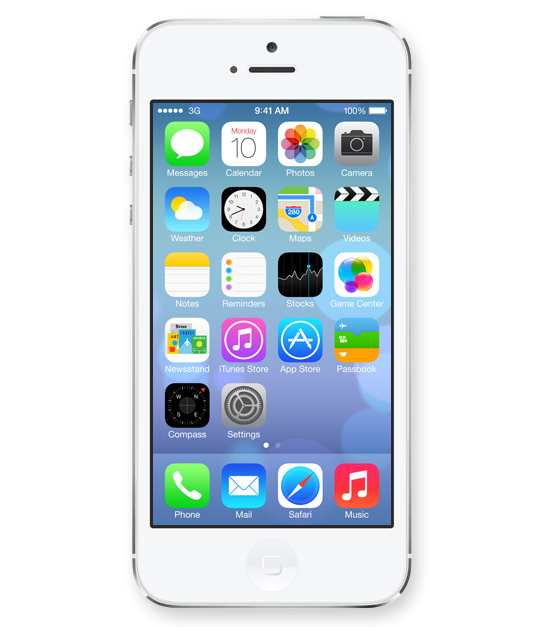
Icons lost their 3D look and this will finally spill back into the design of corporate identities. Days of pricey re-designs of Fortune 500 logos that basically added a 3D effect (AT&T, Capital One, Etc) are finally gone and simplicity in identity design will reign once again.
2. 50 Shades of Transparency
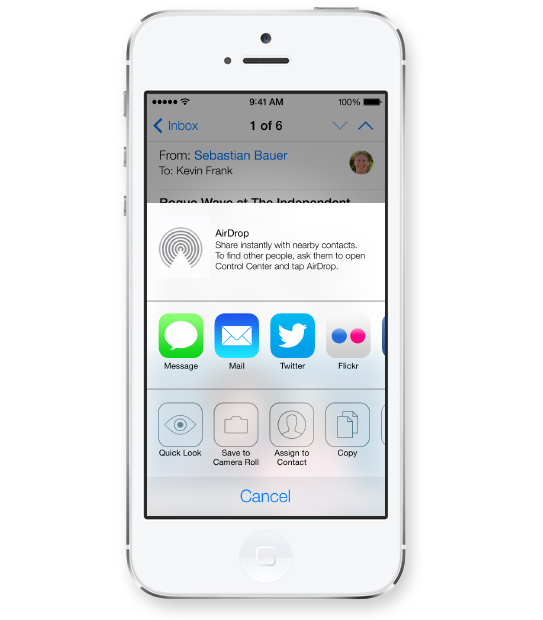
Apple’s use of transparency for navigational panels will trigger a move towards multiple translucent layers creating depth within digital interfaces. This would allow for multitasking and kill the traditional ‘top level navigation’ bar, allowing users to open multiple levels of navigational hierarchies based on transparency levels. Users will see the ‘page’ they are on while transparent layers will allow for unobtrusive ways of navigating down a couple of levels without ever leaving sight of your current ‘screen’.
3. White Is The New Black
Long gone are the days of black being the go-to color to convey luxury and sophistication. I predict layers of transparency quickly moving off screen and popping up across all media from print to on-air commercials, making white the predominant color (Is white a color you ask?) despite Pantone’s color predictions for 2014.
Images Courtesy Of Apple.
The top 5 must-do’s for your tech startup brand launch
 Jason Calacanis, founder of Silicon Alley Reporter, Engadget, TechCrunch 50, LAUNCH, This Week in Startups as well as his new venture, Inside.com, asked me ‘What are the most important things you’ve learned about launching?‘ Here is what I wrote him:
1. PICK A PROCESS
There are many processes to launching your tech startup. Choose one that works for your personality, budget and within the culture you are about to create.
2. TEST AND FAIL
Test and fail and test and fail. You should invest in creating your brand only once you really understand your target audience’s behavior and true needs.
3. LAUNCH AS A BRAND
Launch as a brand, not a startup that may develop into a brand. Launch by design. Design relates to the process you have to adhere to, but furthermore it truly is design that holds the key to early brand success. Graphic design, brand identity design, and web design will set your offering apart at the time of launch.
4. TAKE NAMING SERIOUSLY
Naming is crucial. You can’t change the name of your kid once they are in puberty. The name you choose at launch will remain with the brand forever, so don’t settle for a placeholder name that just happened to make it into beta because the domain was available. It’s an art, science, and legal matter, so make sure it doesn’t get overlooked.
5. LISTEN SELECTIVELY
‘Opinions are like @**holes, everybody has one‘ – choose wisely whom you listen to, which opinions you implement, whom you exclude from certain conversations and why. Have a ‘stakeholder opinion plan‘ in place from the start to make it easy for you to adhere to and eliminate the unease of hurting people’s feelings or having to re-do certain phases of your project because you did not listen to the right people at the right time.

The Post Host
Fabian Geyrhalter is the Principal of FINIEN, creating clarity for brand transformations.

THE BRAND THERAPY BOOK 2
More Key branding lessons to save time and money while winning hearts and minds.
THE BRAND THERAPY BOOK
Key branding lessons to save time and money while winning hearts and minds.

BIGGER THAN THIS
How to turn any venture into an admired brand
HOW TO LAUNCH A BRAND
Your Comprehensive Guide to Launching a Brand: from Positioning to Naming and Brand Identity